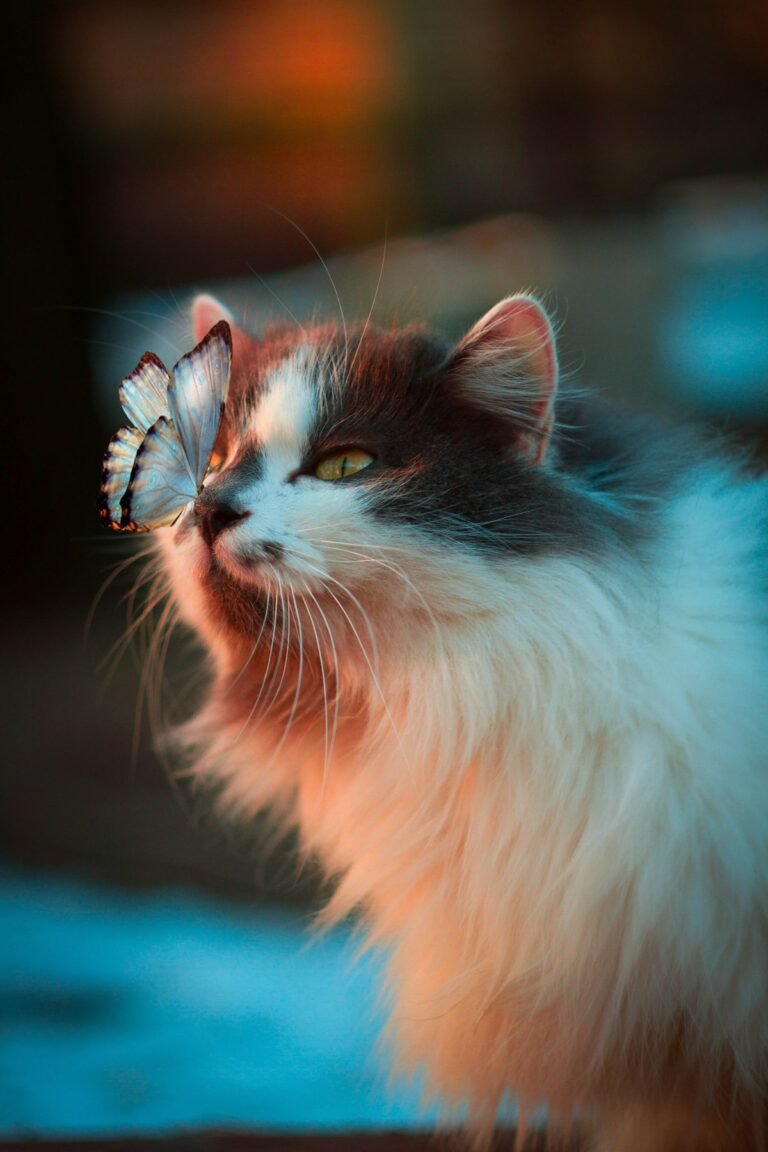
You are spooning blueberries onto your yogurt and your cat is watching every single berry like it owes her money. Sharing feels harmless, but a cat’s stomach does not work like ours, so the question is a fair one: can cats have blueberries without ending up sick?
The short answer is yes, with a few simple rules. This guide explains what is actually inside a blueberry, what it does and does not do for an obligate carnivore, the risks worth knowing about, and the safest way to serve berries so a fun treat never turns into a vet visit.

In this guide
Are Blueberries Safe for Cats?
Yes. Blueberries appear on no veterinary list of foods toxic to cats, and the ASPCA does not class them as poisonous to felines. A plain, fresh blueberry contains nothing that attacks a cat’s organs the way grapes, raisins or the sweetener xylitol can. That is why most vets answer this question with a relaxed yes, as long as the berry is served plain and the amount stays small.
Two conditions matter. First, plain means plain: fresh or frozen berries with nothing added. Blueberry jam, pie filling, muffins, sweetened yogurt and dried berries are different foods entirely, loaded with sugar and sometimes ingredients that are genuinely dangerous. Second, safe does not mean necessary. A complete and balanced cat food already covers every nutrient your cat needs, so blueberries add variety, scent and play value rather than nutrition your cat is missing.
What Is Actually Inside a Blueberry?
For people, blueberries wear the superfood crown. For cats, the honest picture is smaller but not empty. A fresh blueberry is about 85 percent water, and the rest holds a modest mix of useful compounds:
- Antioxidants, mainly anthocyanins. These are the pigments that make blueberries blue. They help neutralize free radicals, the unstable molecules linked with cell damage and aging.
- Vitamin K. Supports normal blood clotting and healthy bones.
- Vitamin C. Cats make their own vitamin C in the liver, so they never need it from food, but the small amount in berries does them no harm.
- Fibre. A little plant fibre can help move food through the gut and support regular bowel movements.
- Manganese and potassium. Trace minerals that play quiet supporting roles in metabolism, muscles and the nervous system.
Here is the catch. Cats are obligate carnivores, built to pull energy and nutrients from animal tissue, and they lack some of the digestive enzymes needed to process plant foods well. Your cat also eats berries by the one or two, not by the bowl, so the total nutrient dose stays tiny either way. Enjoy the antioxidants as a small bonus if your cat likes berries, but never count fruit as a health strategy. A complete, meat based diet does the real work.
The Risks: When Blueberries Cause Trouble
The berry itself is gentle. Trouble almost always comes from the amount, the form, or the cat. These are the risks that actually show up in practice:
Digestive upset. Fruit sugar and fibre ferment quickly in a carnivore gut, and too much at once is the classic recipe for a gassy stomach, loose stools or vomiting a few hours later. If you find yourself asking why is my cat vomiting after a berry binge, quantity is the first suspect. A single episode after overdoing a new food usually settles on its own, but repeated vomiting, or vomiting paired with hiding and refusing food, needs a veterinarian.
Sugar and weight. A blueberry holds roughly one calorie, but it does carry natural sugar. For an overweight cat, treat calories crowd out real food. For a diabetic cat, even natural fruit sugar can push blood glucose the wrong way, so berries are best skipped entirely unless your vet approves them.
Choking. A whole blueberry is round, smooth and exactly the size to lodge in a small throat, especially when a cat gulps instead of chews. Kittens and small cats face the highest risk. Cutting each berry in half removes most of it.
Pesticide residue. Berry crops are often sprayed, and a cat’s small body has less margin for chemical residue than ours. A good rinse under running water is a simple, worthwhile fix.

How to Serve Blueberries Safely, Step by Step
Serving takes about a minute, and it removes nearly every risk listed above:
- Choose plain berries. Fresh or frozen, with no sugar, syrup or flavouring added. If the berries are frozen, let them thaw until soft before serving, because a rock hard frozen berry is both a choking risk and a tooth risk.
- Wash them well. Rinse under running water and rub each berry gently to remove dirt and pesticide residue.
- Remove stems and leaves. Pick off anything green or woody still attached to the berry.
- Cut each berry in half. Halving removes the choking risk and releases a little juice and scent, which is what actually interests most cats. For a kitten, mash the berry with a fork instead.
- Start with one piece. Offer a single half and watch what happens. Cats cannot taste sweetness the way we do, so many will sniff the berry, bat it across the floor, and walk away. That is fine. Treat it as a game, not a meal.
- Watch for two hours. If there is no vomiting, loose stool or lip licking, you can offer a second piece on another day. Any bad reaction means blueberries come off the menu for good.
How Many Blueberries Can a Cat Eat, and How Often?
For a healthy adult cat, one or two blueberries at a sitting, two or three times a week, is plenty. Some cats happily eat three in a row. That does not make three a serving size worth aiming for. The rule that governs all of this is the treat rule: everything outside your cat’s complete food, berries included, should stay under about 10 percent of daily calories.
Put numbers on it. An average indoor cat needs roughly 200 to 250 calories a day, so the entire treat budget is about 20 to 25 calories. One blueberry holds about one calorie, which means the calorie maths is rarely the real limit. The stomach is. Fruit ferments, and a carnivore gut complains long before the calorie budget runs out. Small, occasional and watched beats generous every single time.

Can Kittens Have Blueberries?
Kittens can taste a blueberry, but there is rarely a good reason to offer one. A kitten’s stomach is still learning its job, and brand new foods are the most common trigger for kitten diarrhea. Kitten food is also carefully balanced for growth, and filling a tiny stomach with fruit leaves less room for the protein and fat a growing kitten genuinely needs.
If your kitten is over about 12 weeks old and you still want to try, offer a quarter of a berry, mashed rather than halved, and no more than that. Watch the litter tray over the next day. Soft stool means wait until she is fully grown before trying again. Never offer berries to a kitten who is unwell, newly weaned, or eating a veterinary diet.

Other Fruits: Which Ones Are Safe for Cats?
Blueberries are not the only fruit owners ask about, and this is where the real danger lives, because a few very common fruits are genuinely toxic to cats. Check this table before you share anything from the fruit bowl:
| Fruit | Safe for cats? | How to handle it |
|---|---|---|
| Blueberries | Safe | One or two at a time, washed and cut in half. |
| Banana | Safe in moderation | High in sugar, so keep it to a thin slice now and then. |
| Watermelon | Safe without seeds or rind | Remove every seed, cut away the rind, serve small cubes of flesh only. |
| Grapes and raisins | Toxic, never feed | Linked with kidney failure. Even a small amount is not worth the risk. |
| Citrus fruits | Avoid | Oranges, lemons, limes and grapefruit carry acids and oils that upset cats. |
Table 1: Common fruits checked against the question can cats have blueberries: what is safe to share, and what must never reach your cat.
The pattern is easy to remember. The small berry fruits tend to be the safe ones, while the real dangers are grapes in every form, fresh or dried, and anything citrus. If a fruit does not appear on a trusted safe list, the correct serving size is none at all.

When to Skip Blueberries Completely
Some cats should not get berries at all. Skip them if your cat is diabetic, following a weight loss plan, eating a prescription diet for any reason, or has a history of pancreatitis or a sensitive stomach that flares whenever a new food appears. For those cats, ask your veterinarian before offering any human food, berries included. It is also worth checking labels on anything blueberry flavoured before it reaches your cat. Sugar free products can contain xylitol, a sweetener that is extremely dangerous to pets, and baked goods add flour, butter and sometimes chocolate. The rule stays simple: plain berry, or no berry.
Frequently Asked Questions
How many blueberries can a cat eat in one day?
One or two is the sensible ceiling for a healthy adult cat, and not every day. Most vets suggest offering berries two or three times a week at most. Keep all treats together under about 10 percent of daily calories, and remember the real limit is your cat’s stomach, not the calorie count.
Can kittens eat blueberries?
An older kitten can try a tiny mashed piece, but there is little reason to offer one. Kitten stomachs are sensitive, and kitten food is balanced for growth. Wait until your kitten is at least 12 weeks old, offer a quarter of a berry at most, and stop if the stool softens.
Can cats eat frozen blueberries?
Yes, once they have thawed soft. A berry served rock hard is a choking risk and can hurt your cat’s teeth, so let it soften first and still cut it in half before serving. Once thawed, a frozen blueberry offers the same nutrition as a fresh one.
What happens if my cat eats too many blueberries?
Expect a stomach complaint: gas, loose stools or a vomit within a few hours. It usually passes within a day. Take the berries away, keep fresh water available, and call your veterinarian if vomiting or diarrhea lasts more than 24 hours, if your cat stops eating, or if your cat is diabetic.
Can cats eat blueberry muffins, jam or yogurt?
No. These products carry added sugar and ingredients cats do not need, and some include genuinely risky extras: butter and flour in muffins, concentrated sugar in jam, and in sugar free versions, xylitol, which is highly toxic to pets. If you share anything, share the plain berry only.
Conclusion
So, can cats have blueberries? Yes: plain, washed, halved, and in ones and twos. They bring a little water, a little fibre and a few antioxidants to the bowl, but they never replace the meat based food your obligate carnivore is built to eat. Keep every treat under the 10 percent line, skip berries for diabetic cats and cats on special diets, and keep grapes and citrus far away from the bowl. For more feeding and health topics, browse our cat health guides, and when you are ever in doubt about a new food, a two minute call to your veterinarian beats every guess.